

Have you ever looked at a headline and instantly felt that it was premium, bold, or authoritative, even before reading the words?
That reaction is rarely accidental.
Typography shapes perception, and Serif Display Fonts play a powerful role in how brands, publications, and digital products communicate character and credibility.
In recent years, designers have moved beyond purely functional typography. Visual identity now demands emotion, storytelling, and distinction. This is exactly where serif display fonts shine.
In this article, you will learn:
- What truly defines a serif display font
- How it differs from a traditional serif font or serif typeface
- Why modern brands are embracing modern serif fonts
- Real examples from branding and editorial design
- Recommended Serif Display Fonts you can confidently use
If you care about design impact, this topic matters more than you might think.
What Are Serif Display Fonts?
Definition and Core Purpose
A serif display font is a serif typeface designed specifically for large-scale usage. Its main purpose is visual impact rather than long-form readability.
You will typically see serif display fonts used in:
- Headlines and hero text
- Magazine covers
- Brand logos
- Posters and campaigns
- Landing page titles
Unlike body text serif fonts, display fonts are intentionally expressive.
Key Characteristics of Serif Display Fonts
Serif display fonts often feature:
- High contrast between thick and thin strokes
- Decorative or unconventional serif shapes
- Unique proportions and letterforms
- Strong personality and visual drama
Important distinction:
These fonts are not designed to be read in paragraphs. They are designed to be noticed.
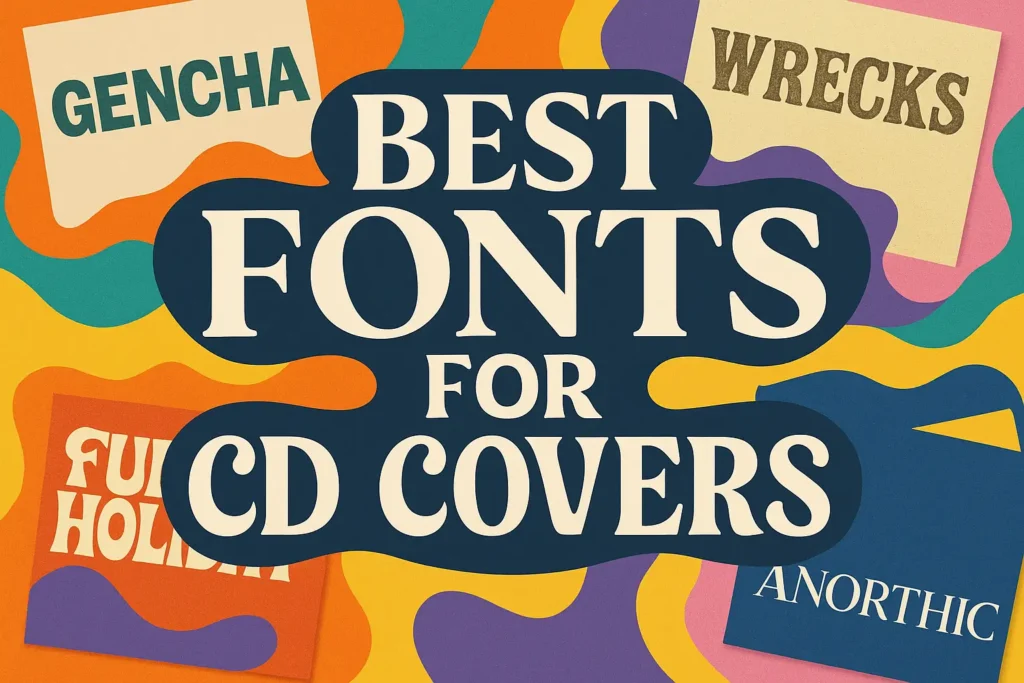
Read More : 25+ Best Fonts for CD Covers to Elevate Your Album Design
Serif Font vs Serif Typeface vs Serif Display Font
Why These Terms Are Often Confused
Many people use the terms serif font, serif typeface, and serif display font interchangeably. In practice, they serve different roles.
Here is a simplified breakdown.
| Term | Meaning | Typical Use |
|---|---|---|
| Serif Typeface | The overall design family | Classification level |
| Serif Font | A specific style or weight | Body text or headings |
| Serif Display Font | Expressive serif for large sizes | Headlines and branding |
Where Serif Display Fonts Stand Out
A traditional serif font prioritizes readability. A serif display font prioritizes expression.
That difference changes how your audience feels about your message.
Read More : Sans Serif Typeface Font in Branding and User Trust
Recommended Serif Display Fonts Designers Love
Below are expert-recommended serif display fonts widely used in modern design.
A well-chosen serif display font can elevate any project. Whether you need a font for a cover, a font for a heading, a font for a headline, a font for a title, a font for a poster, or a font for a logo, the following selection of typefaces offers versatile options that combine style with readability. Below, we highlight some standout serif display fonts and the unique qualities each one brings to the table.
1. West Advega Font
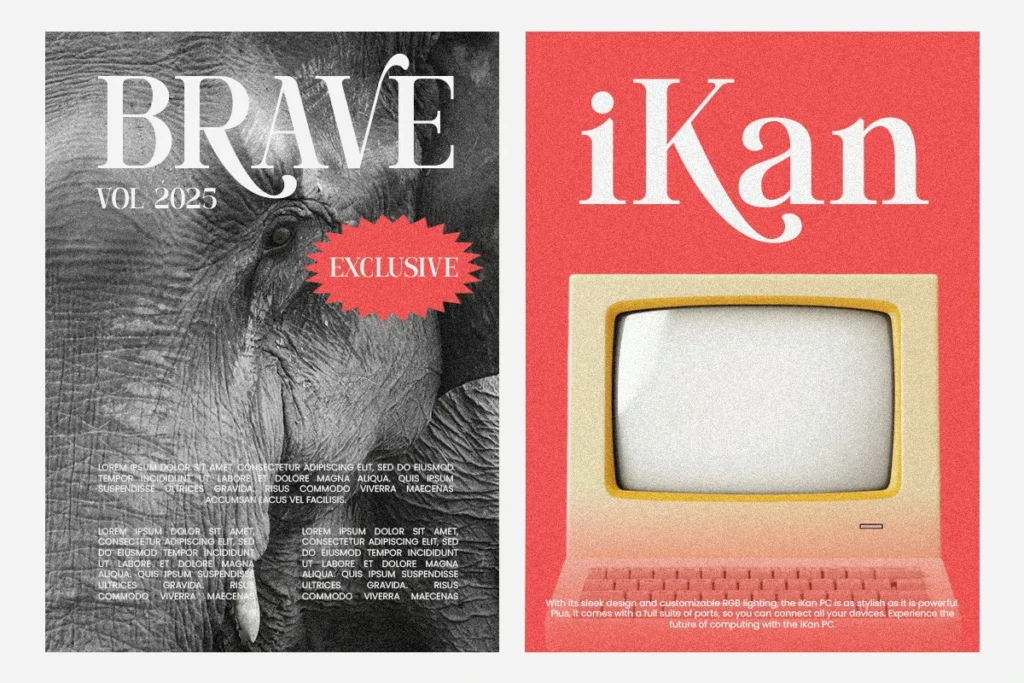
West Advega Font exudes both modern elegance and timeless versatility. Its refined letterforms make it suitable for everything from wedding invitations and editorial layouts to branding and logo design. West Advega maintains excellent readability even as a display font, adding a luxury feel to any cover or title it graces. Use this font to instantly elevate your project with a touch of sophistication and high-end charm.
2. Proten Font
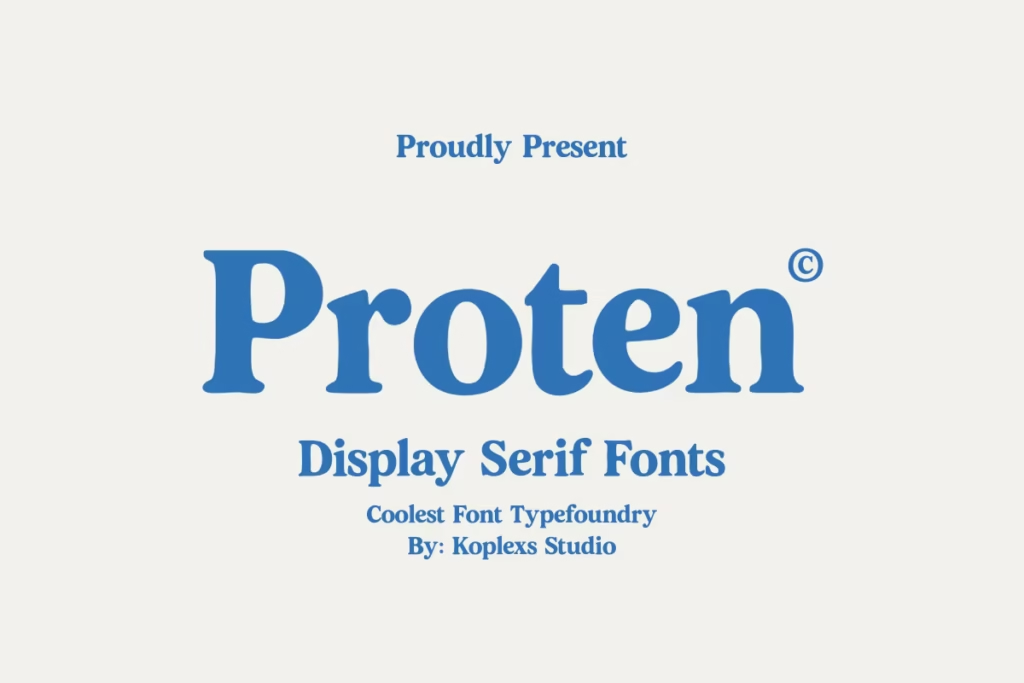
Proten Font strikes a careful balance between boldness and elegance. This high-contrast serif display typeface features stylish curves that draw attention without sacrificing clarity. Proten is perfect for luxury branding, magazine headlines, and upscale editorial design where you want a classic look with modern confidence. Its strong presence makes it a go-to choice for titles and logos that need to stand out and make a statement.
3. Gantic Font
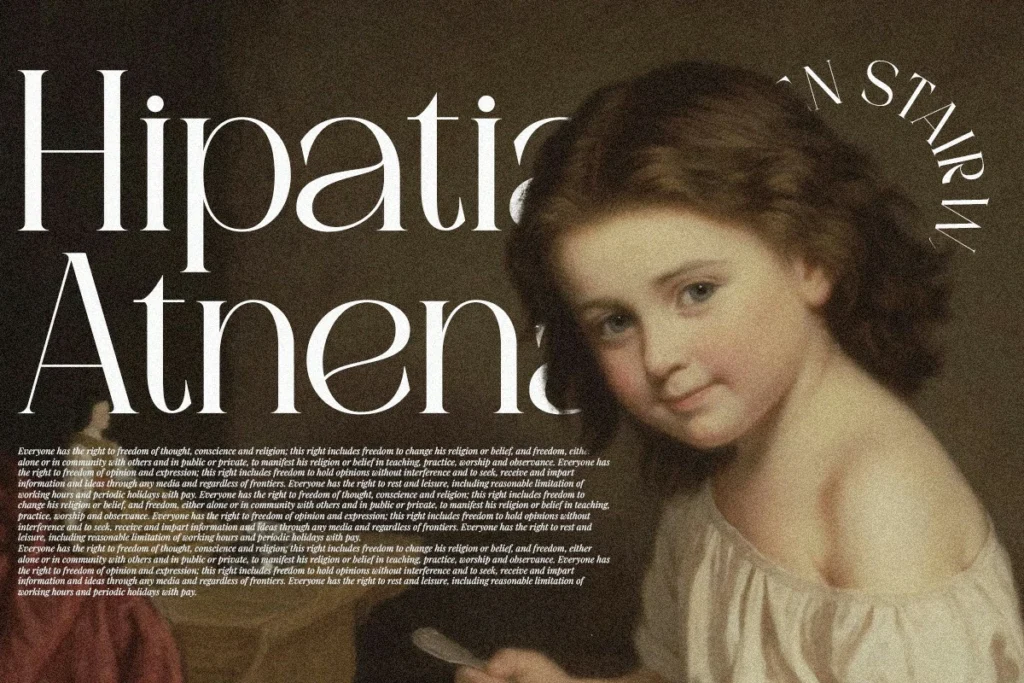
Gantic Font blends delicate lines with soft curves to create a clean, confident look. This elegant modern serif is ideal for luxury branding, high-end logos, and editorial layouts, communicating sophistication with every letter. Gantic’s neat, well-balanced proportions also shine in cinematic title sequences and stylish magazine headings. By using Gantic, you can give your designs a polished, contemporary voice that still feels timeless.
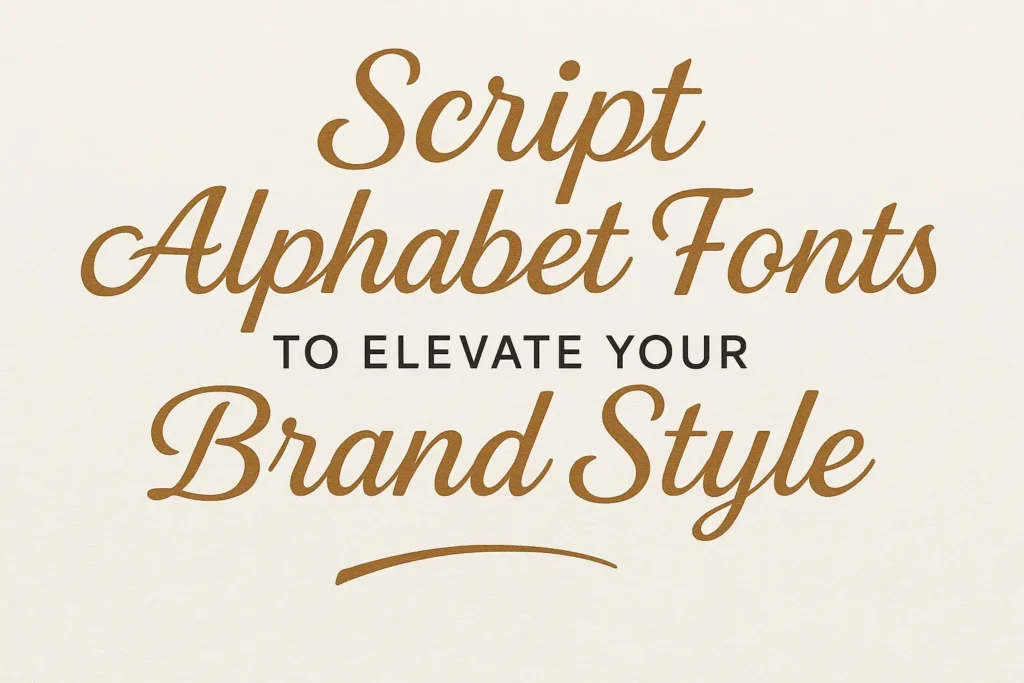
Read More : Script Alphabet Fonts to Elevate Your Brand Style
4. Wasted Vindey Font

Wasted Vindey Font offers a beautiful blend of modern style and feminine elegance. Its graceful, high-end character shapes give your text a unique and classy look that’s perfect for fashion branding, boutique logos, or chic advertising headlines. Wasted Vindey’s stylish design brings a touch of romance and luxury to any project, from wedding invitations to magazine covers. Working with this font will instantly uplift your layouts and give them a distinctive, classy appeal.
5. Maista Font
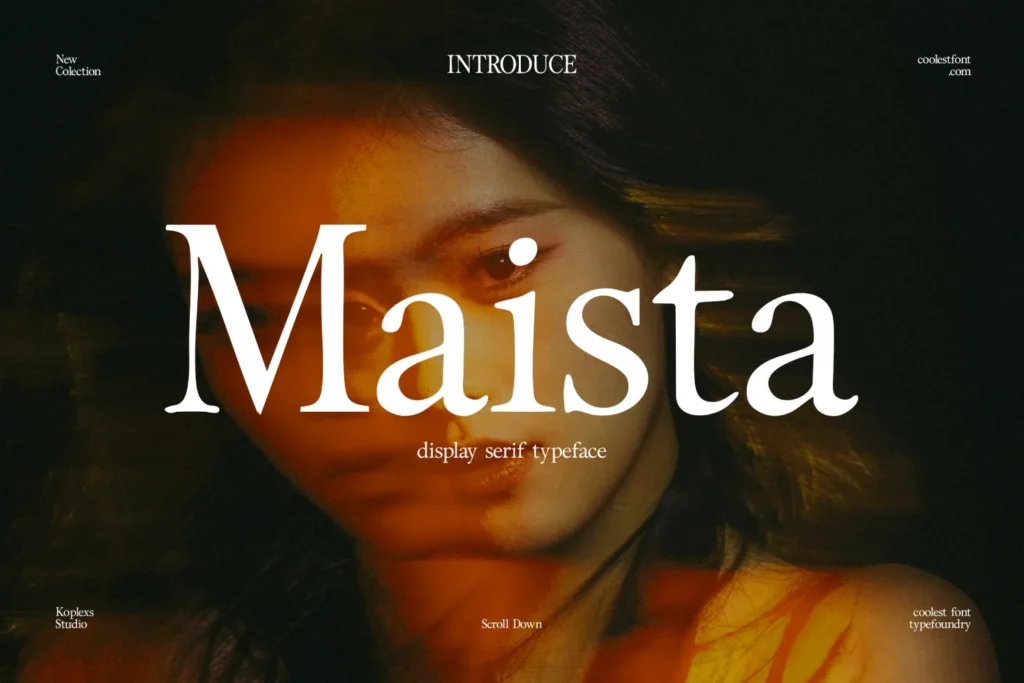
Maista Font is an elegant modern serif typeface with a truly luxurious feel. It seamlessly blends classic charm with a contemporary aesthetic, making it perfect for high-end branding, cosmetic packaging, and wedding invitation designs. Maista’s refined curves and graceful serifs also shine on posters and title pages, adding a touch of romance and professionalism. Choosing Maista for your project ensures a beautiful, polished look that captures attention and conveys sophistication.
6. Sagalie Font
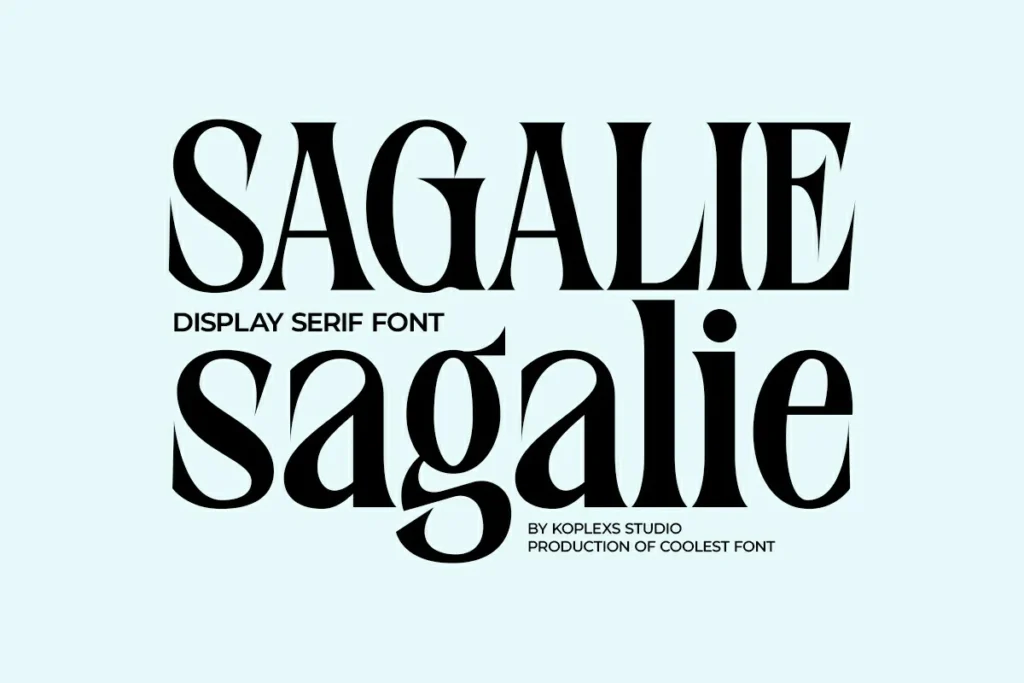
Sagalie Font is a sophisticated typeface that combines strong lines with elegant curves for a luxurious modern look. Designed with stylish alternate characters, Sagalie lets you add a custom flair to branding materials, logos, and headlines. It’s perfect for premium projects like high-end product packaging, magazine covers, or upscale posters where you need maximum visibility and impact. Using Sagalie will give your text an artful, upscale presence that draws the eye and exudes confidence.
7. Kolors Font
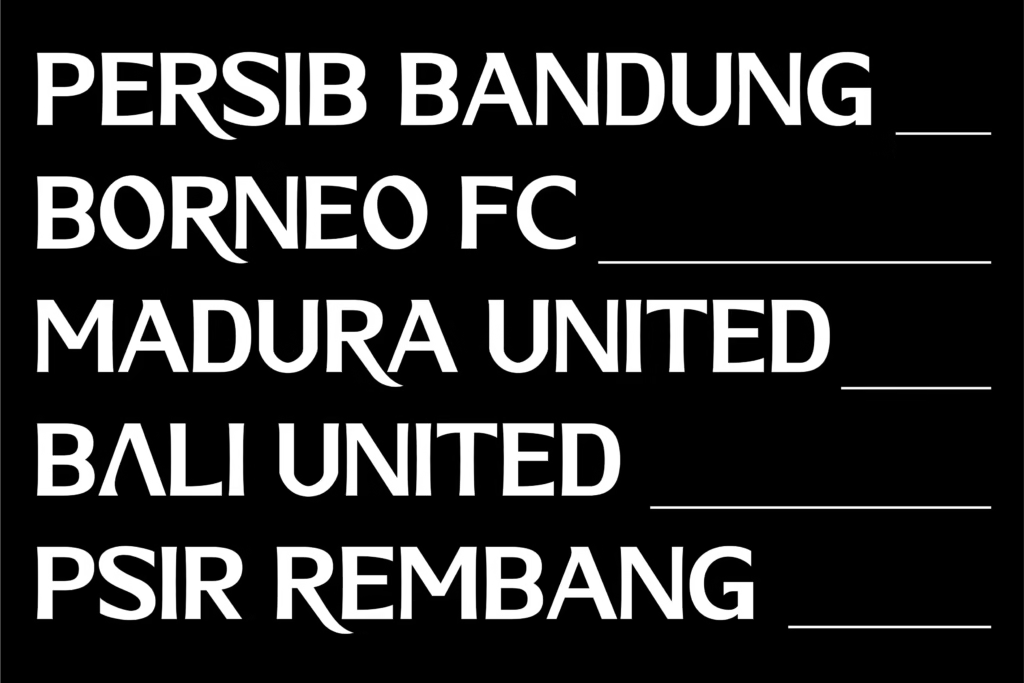
Kolors Font is a modern and energetic display serif that brings a bold yet elegant personality to your designs. It was created to combine a vibrant, creative character with refined serif details, resulting in a typeface that radiates originality. Kolors is excellent for striking posters, innovative branding, and sporty logo designs that demand attention. With its artistic flair and confident style, this font will highlight your creativity and ensure your headings and titles stand out from the crowd.
8. Reilova Font
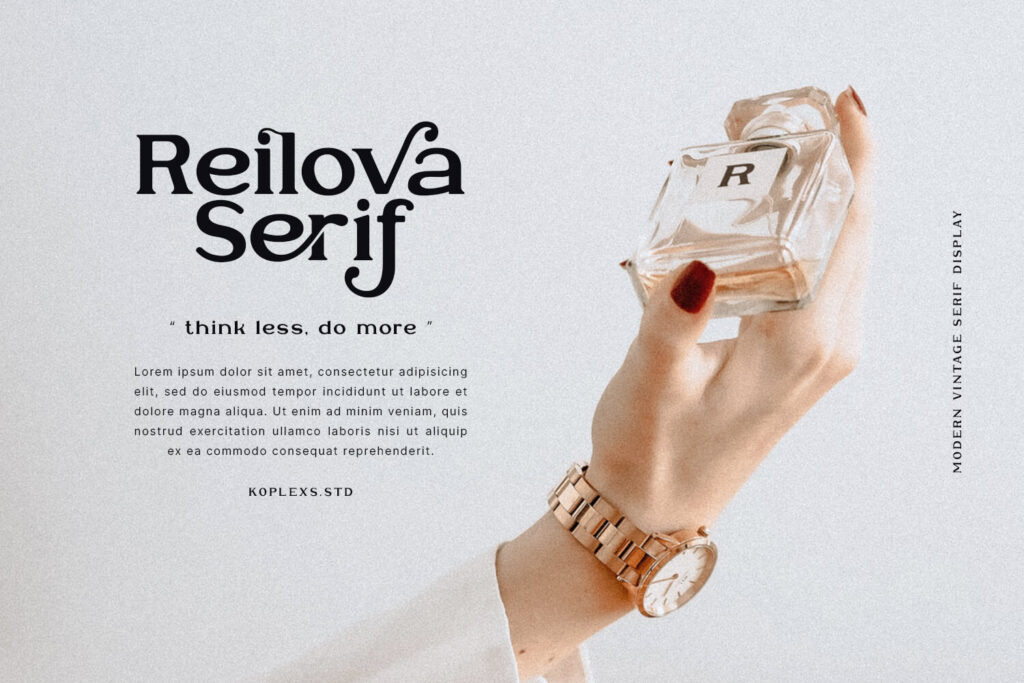
Reilova Font brings together vintage elegance and contemporary style in one sleek typeface. It features sweeping serifs and refined details that lend each letter a touch of classic sophistication. Reilova is perfect for creating stylish logos, upscale branding, and eye-catching editorial headlines that demand attention. This font’s graceful yet modern presence will imbue your titles and poster designs with a timeless, high-end character.
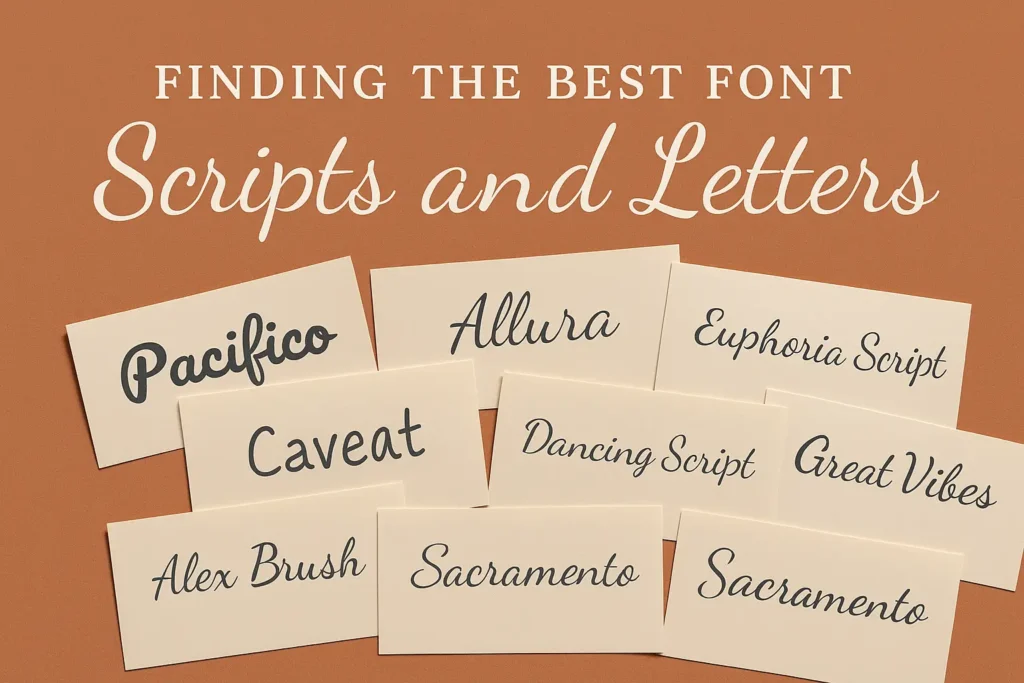
Read More : Finding the Best Font for Scripts and Letters
9. Dasko Font
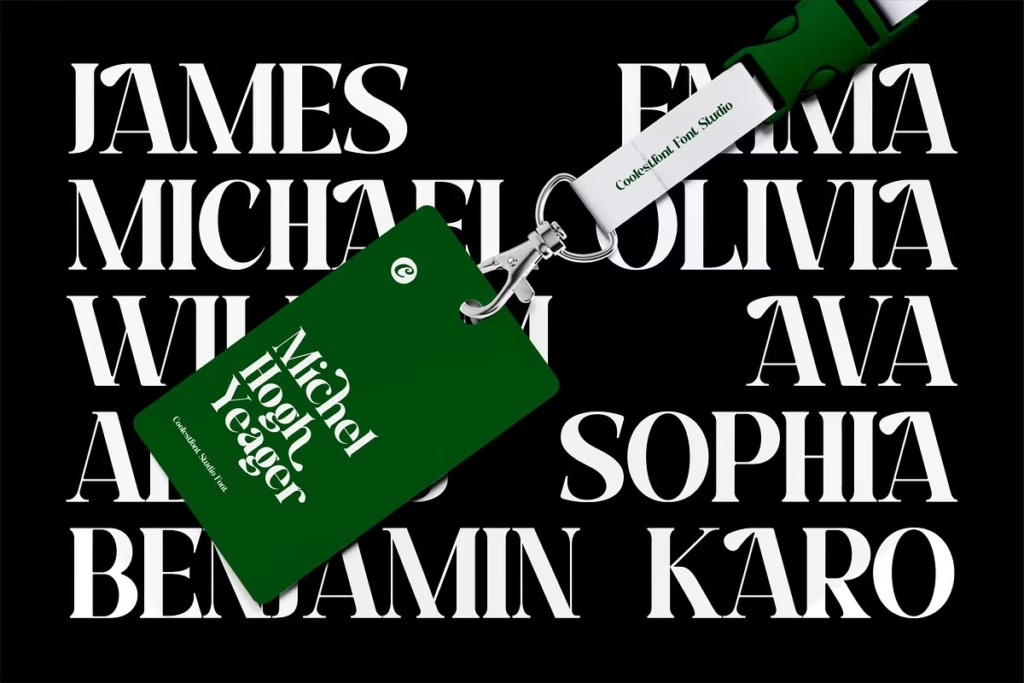
Dasko Font radiates luxury with its elegant curves and bold contrast. This display serif blends classic sophistication with artistic flair, making it a stylish choice for today’s designers. Dasko comes with special ligatures, alternates, and multilingual support, giving you plenty of creative flexibility. It’s an excellent option for brand logos, fashion labels, magazine layouts, and packaging that need a premium touch. Whether you’re crafting a visual identity or an eye-catching headline, Dasko delivers refined detail and high-impact style to give your project the elegance it deserves.
10. Qare Font
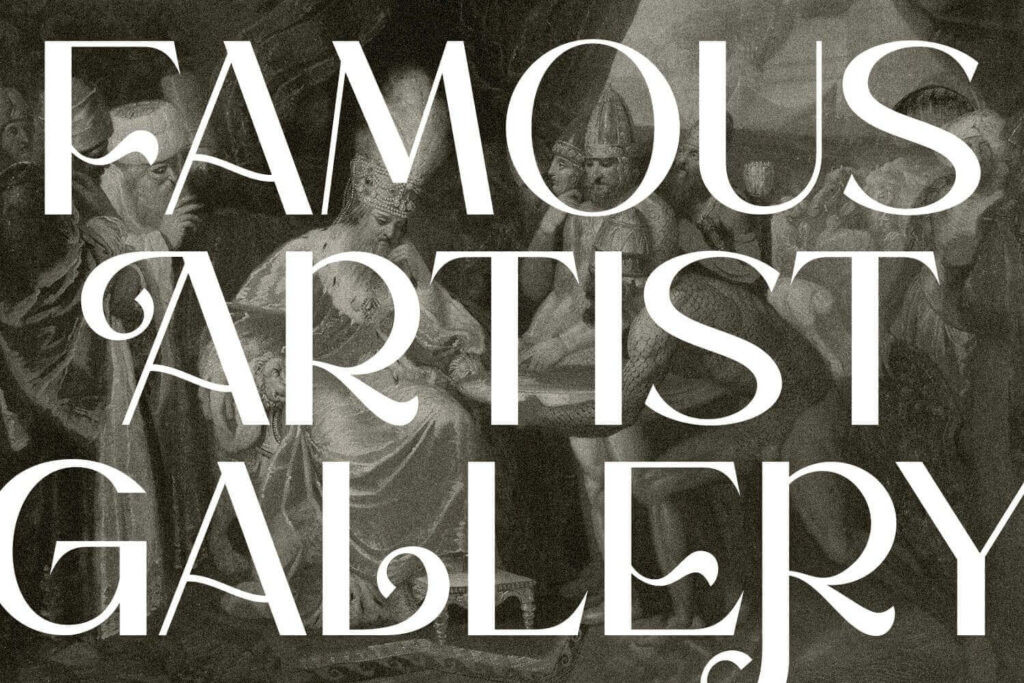
Qare Font offers a blend of timeless elegance and contemporary flair. Its graceful curves and bold details are complemented by versatile alternate characters, allowing you to customize the typography to your needs. Qare is ideal for luxury branding, high-end packaging, and editorial design, where it can turn a simple heading into a statement. Adding Qare to your titles or logos will bring a classic charm and modern confidence that make your design truly stand out.
11. Charquid Font
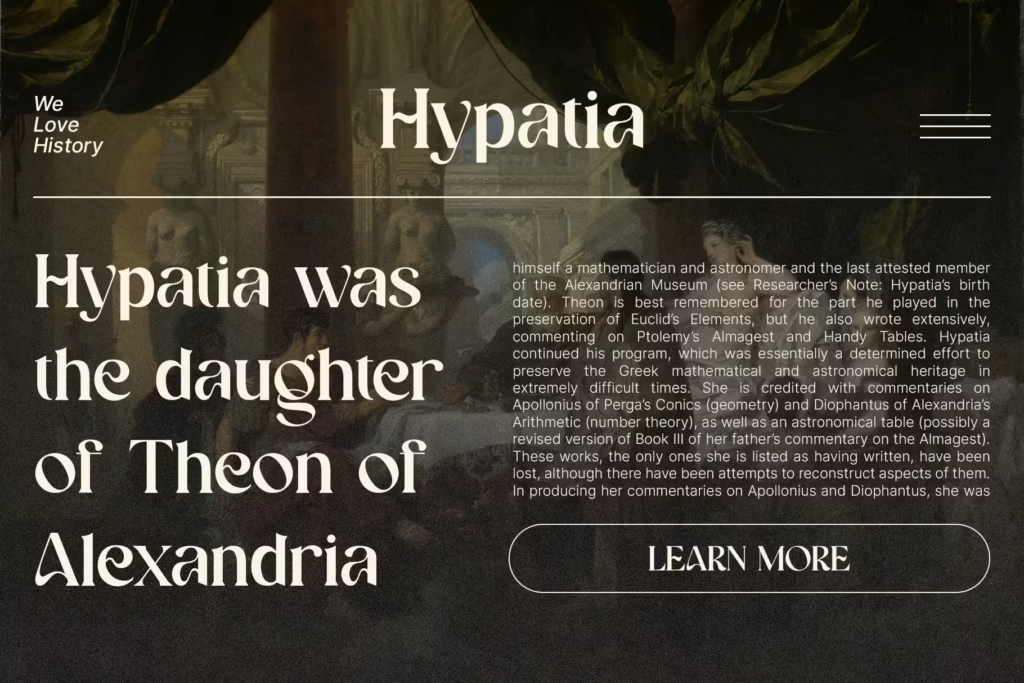
Charquid Font is a classic serif with an Art Nouveau twist, blending vintage decorative flair with modern elegance. It features graceful, expressive curves and strong contrast that turn any text into a piece of art. Charquid is well-suited for statement titles, creative logos, and headline text that needs to stand out with personality. Available in both regular and italic styles, this font gives you the flexibility to add a touch of antique charm and bold artistry to posters, branding, or any design that calls for something extraordinary.
Read More : Sans Serif Popular Fonts for Contemporary Branding
12. Rages Font
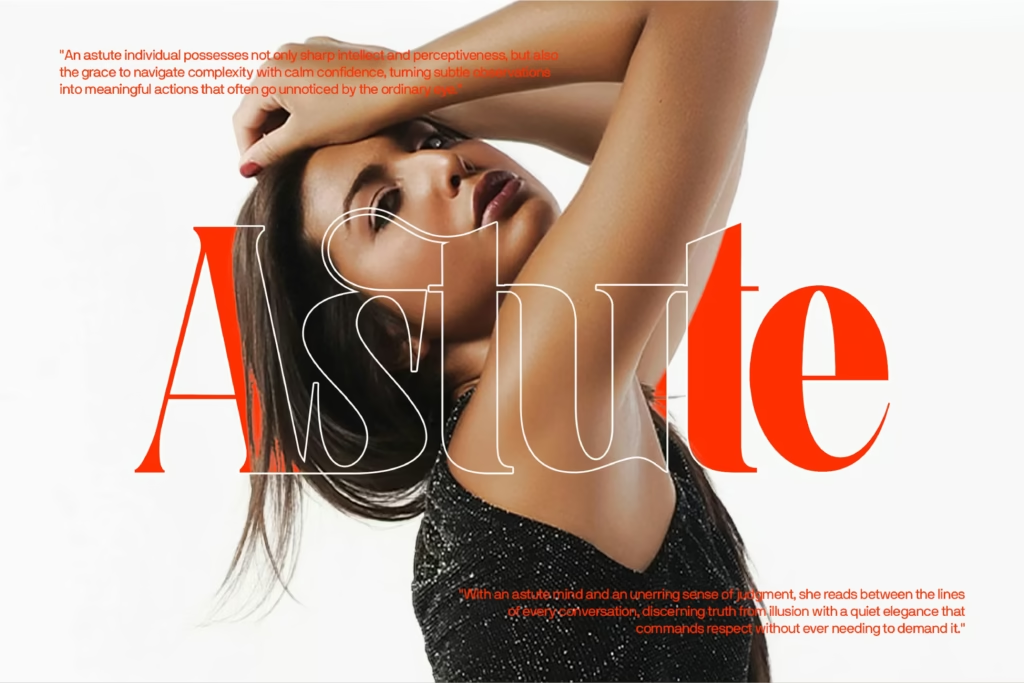
Rages Font is crafted to make every design feel elegant, classic, and luxurious. It combines high-contrast strokes with refined curves, giving each letter visual strength and grace. Rages includes stylish ligatures and alternates that allow you to create unique, eye-catching typography. It’s a fantastic choice for fashion branding, magazine covers, and deluxe packaging where a striking headline or logo is needed. Using Rages in your project adds a level of classy detail that instantly elevates the overall look.
13. Vocare Font
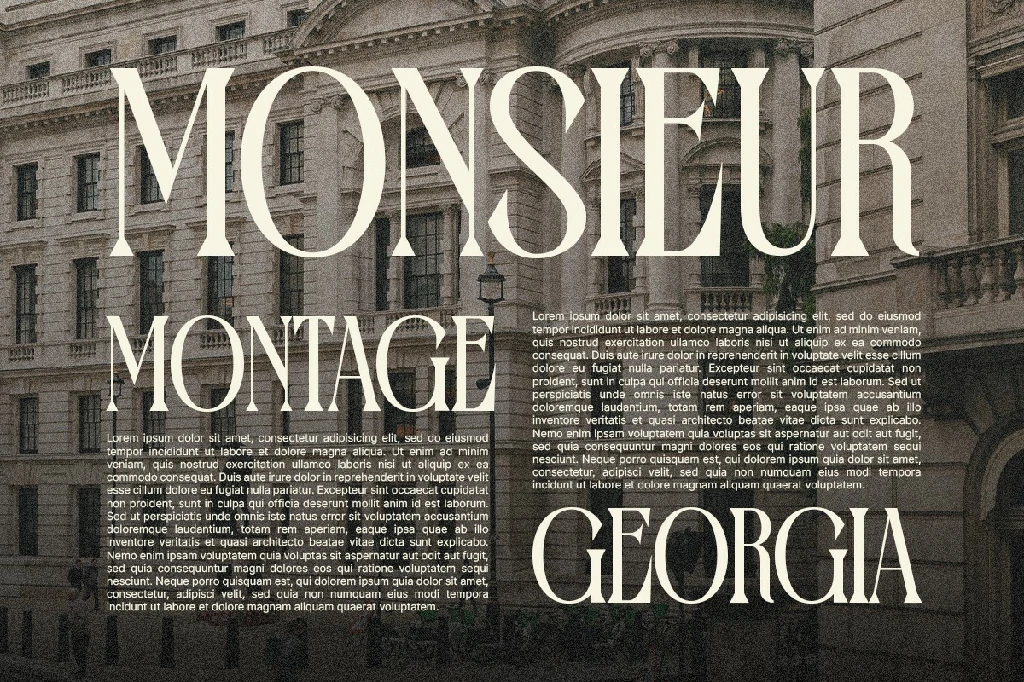
Vocare Font exudes refined, timeless charm through its clean lines and graceful curves. Designed with high-contrast strokes and beautiful alternate characters, Vocare is tailor-made for luxury branding and fashion editorial spreads. It maintains excellent readability while giving your text an upscale look, which is perfect for high-end logos, magazine headlines, or even elegant invitations. By choosing Vocare, you infuse your projects with a modern yet classic touch that speaks of quality and sophistication.
14. Champers Font
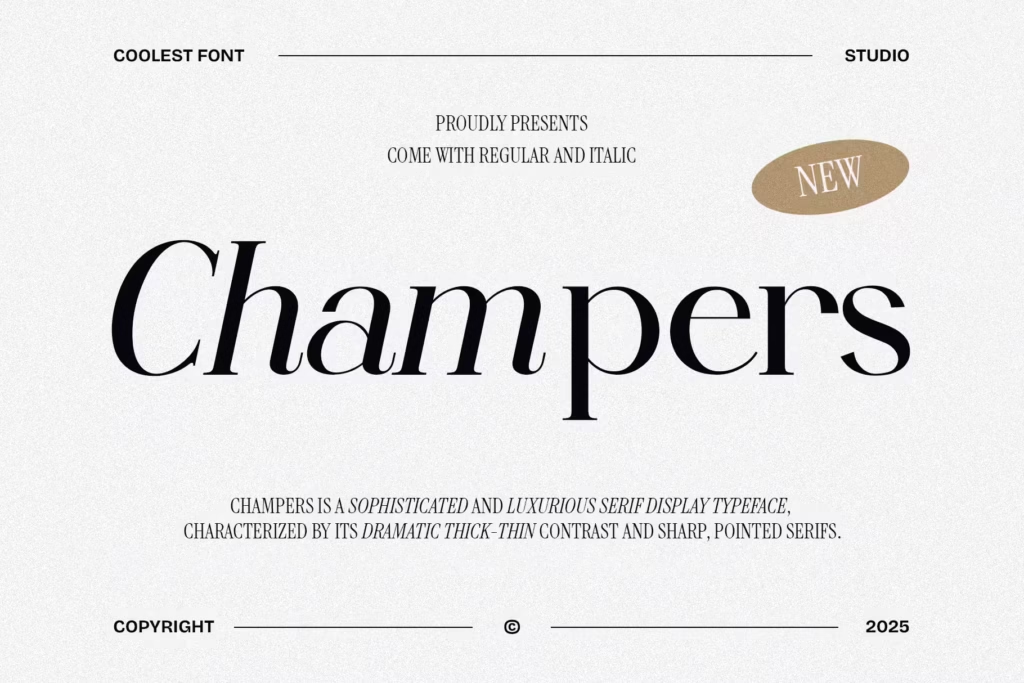
Champers Font is a sophisticated serif typeface that brings a luxurious flair and a touch of drama to your design. Its modern aesthetic and sharp, high-contrast letterforms make an immediate impression of elegance. Champers works beautifully for upscale branding, logo designs, and formal invitations where a classy, distinctive font is needed. With both regular and italic styles available, it offers versatility, ensuring your headlines and titles can be as bold or refined as your project requires.
15. Salosa Font
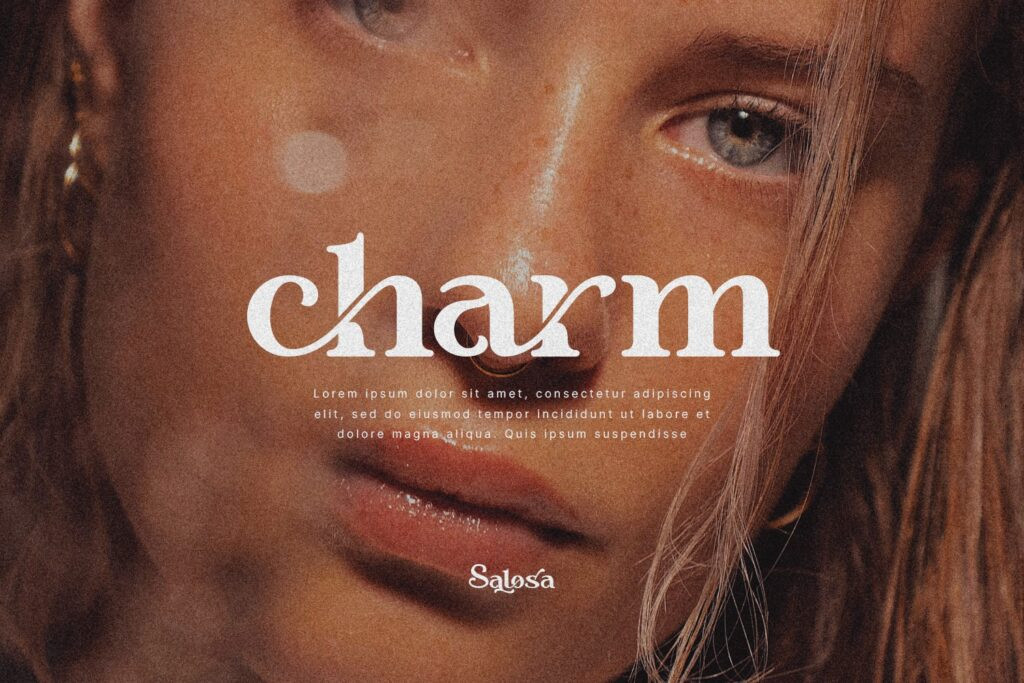
Salosa Font stands out with its elegant curves, bold strokes, and intricate serifs, turning every word into an expression of style. This visually striking serif comes with unique alternates and sophisticated ligatures, giving you creative freedom to personalize your typography. Salosa is perfect for designing luxury logos, high-fashion magazine spreads, and upscale branding for cosmetics or events. With its blend of classic beauty and modern versatility, using Salosa will imbue your titles and marketing materials with personality and elegance.
Read More : Best CV Fonts to Make Your Resume Stand Out
16. Vanisha Font

Vanisha Font fuses vintage charm with modern refinement. Inspired by Art Nouveau, it features graceful curves and decorative ligatures that give the font a luxurious, artistic flair. Vanisha includes a wealth of alternate glyphs and ornamental details, making it versatile enough for branding, logo design, packaging, and more. It’s a strong choice for impactful headlines and creative title treatments that need to be both eye-catching and sophisticated. Incorporating Vanisha into your design will give it an upscale, distinctive look that audiences will remember.
17. Garo Font
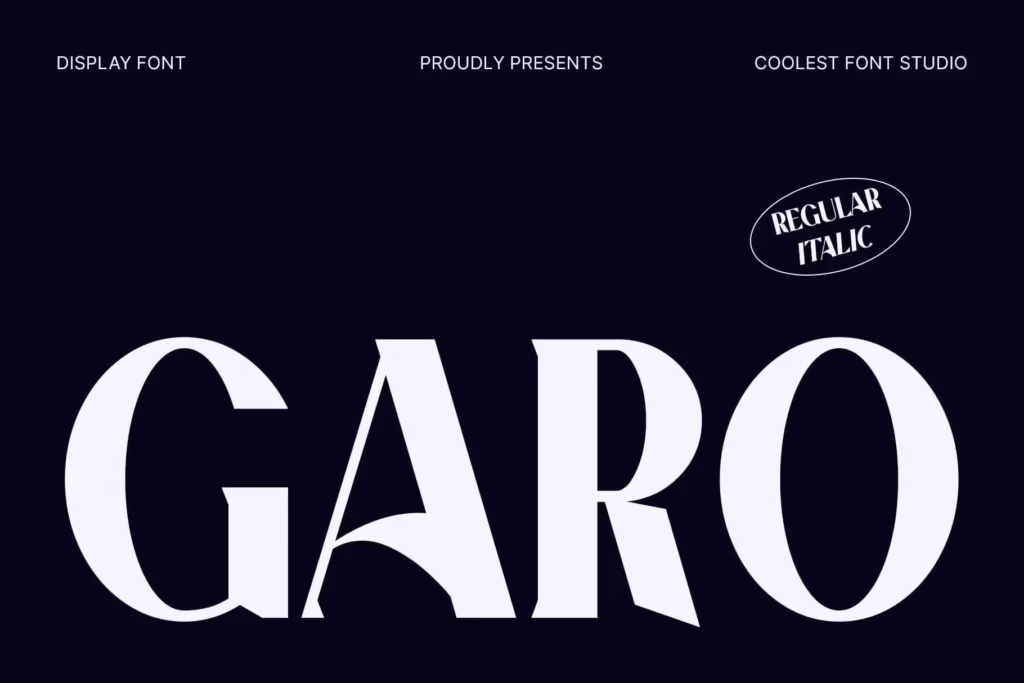
Garo Font is a refined display serif designed to bring both elegance and strength to your text. It merges classic serif style with a modern clean design, featuring sharp serifs, balanced letterforms, and even some stylish ligatures for added flair. Garo’s clarity and approachable tone make it ideal for professional branding, book covers, and bold headlines that require a timeless yet contemporary presence. By using Garo, you add a sense of authority and refinement to posters, logos, or any project that needs a polished typographic statement.
18. Anorthic Font
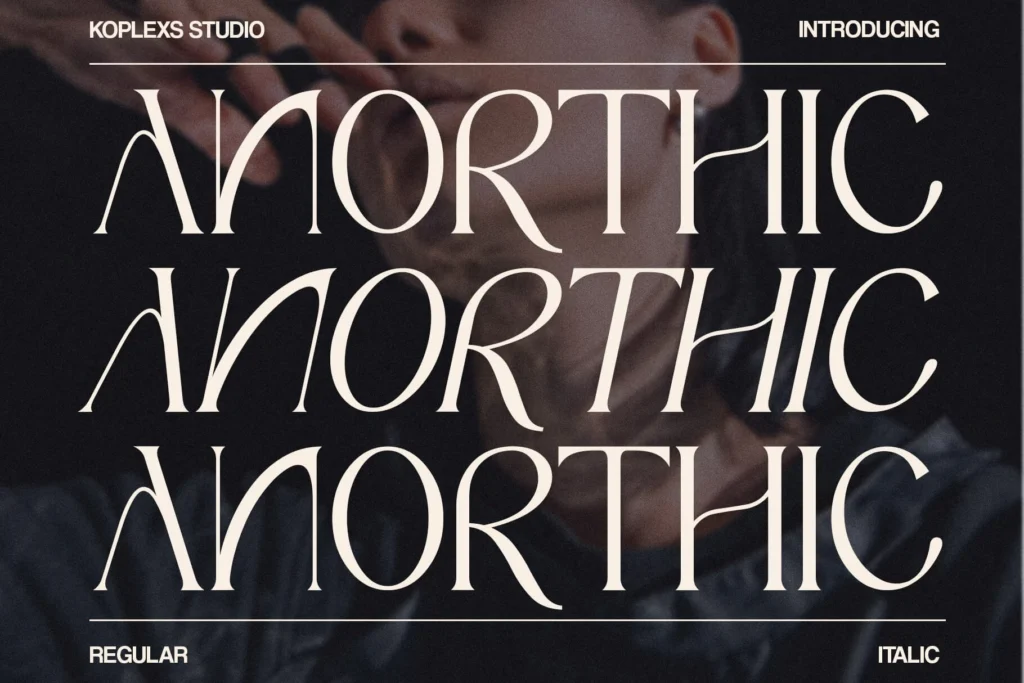
Anorthic Font is a timeless typeface created to elevate your work with sophistication and grace. It comes in both regular and italic styles, blending modern aesthetics with classic serif tradition to suit a variety of design needs. Anorthic is perfect for bold headlines, stylish logos, and editorial spreads or invitations, thanks to its balanced, elegant look. This font integrates seamlessly into any context (be it a magazine cover, a branding campaign, or a digital graphic) and brings a refined touch with easy readability. With Anorthic in your toolkit, your designs gain an instant boost of elegance and professionalism.
Read More : Preppy Fonts That Elevate Your Aesthetic Instantly
19. Borisna Font
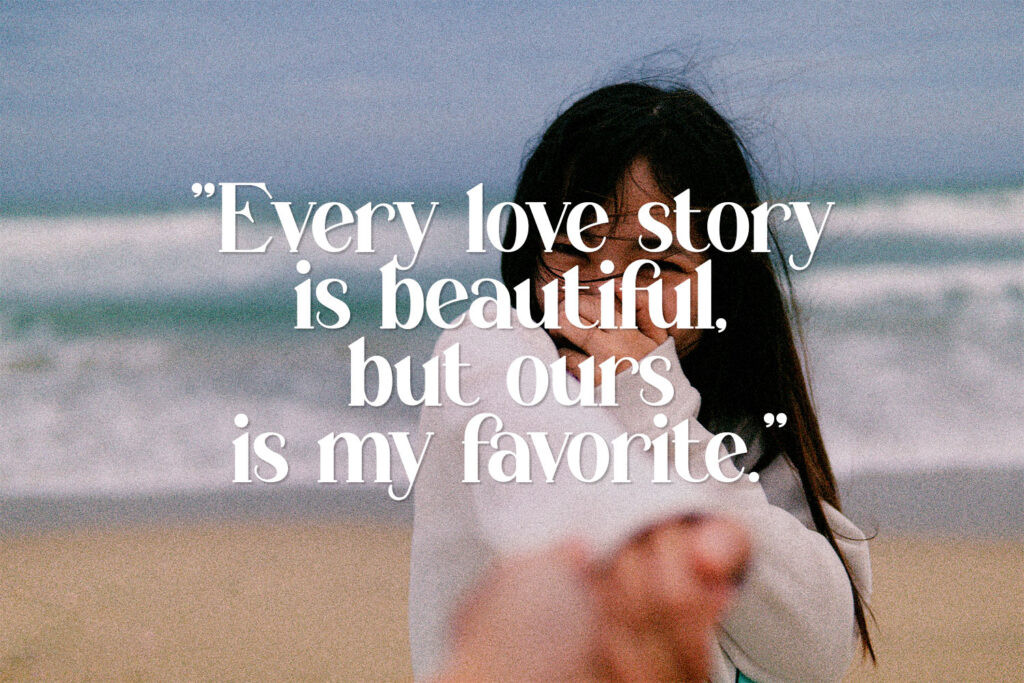
Borisna Font is a sleek serif that combines classic elegance with contemporary style. It features fashionably thin serifs and smooth ligatures that give your text a unique, charming personality. Borisna is especially well-suited for luxury branding, feminine design themes, and editorial layouts, where its sophisticated flair can truly shine. Use it for stylish logos, magazine covers, or upscale packaging to add a touch of retro-chic and modern grace. With Borisna, your titles and headings will convey both class and creativity.
20. Brown Dream Font
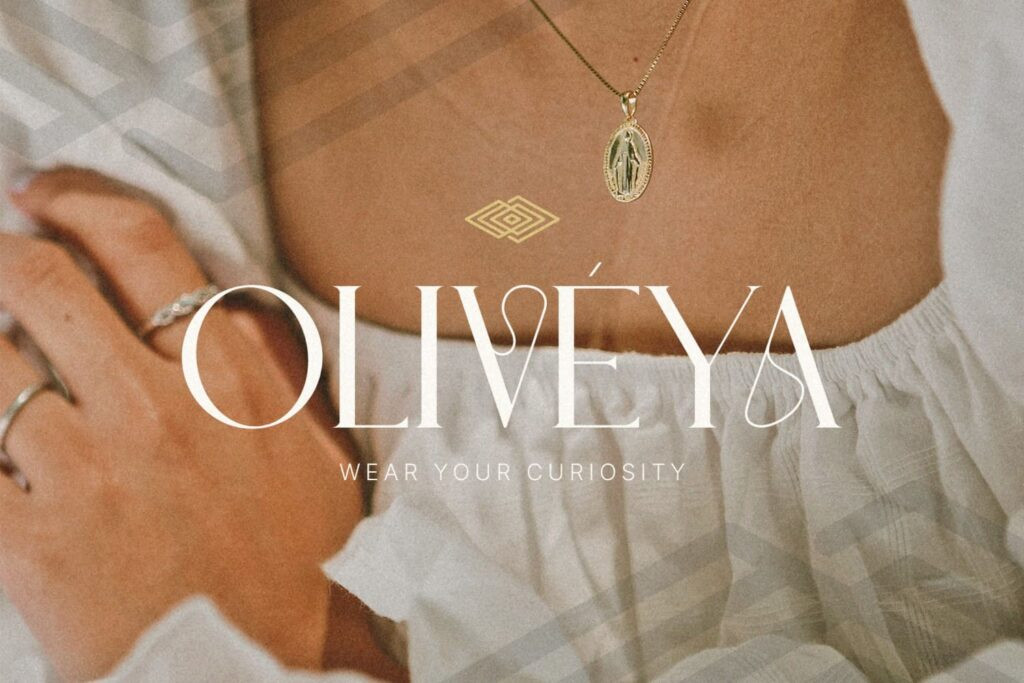
Brown Dream Font is an elegant, artistic serif that gives the classic style a fresh modern twist. Its beautifully crafted characters have a feminine, classy vibe, offering a unique look that instantly elevates your design. Brown Dream is perfect for luxury branding, fashion marketing, and editorial spreads where you want to make a stylish statement. The font’s exquisite details and contemporary touches ensure that your logos, headlines, and cover designs leave a memorable impression. Using Brown Dream in your project will show how serif typography can be both timeless and on-trend.
Each of these serif display fonts brings its own personality and strengths, from luxurious and modern to bold and artistic. They demonstrate that whether you’re working on a book cover, a website heading, an eye-catching poster, or a brand logo, there’s a serif display typeface that can perfectly match your vision. By choosing a font that aligns with your project’s theme and tone, you ensure your message comes across with clarity and style. In summary, serif display fonts offer the perfect blend of elegance and impact, helping your titles and headlines make a lasting impression on your audience.
Read More : Discover Unique Aesthetic Fonts to Elevate Your Design Style
The Historical Journey of Serif Display Fonts
To fully appreciate the beauty and utility of Serif Display Fonts, it’s essential to understand their history. Serif fonts have a rich lineage that dates back to the Roman Empire, where inscriptions were carved into stone using chisels.
The term ‘serif’ refers to the small lines or decorative strokes that extend from the ends of a letter’s main strokes. These features were not merely aesthetic; they served a functional purpose by improving the readability of letters in print. As typography evolved, so did the design of serif fonts, leading to the emergence of Serif Display Fonts.
Serif Display Fonts are characterized by their decorative and exaggerated features, which make them ideal for headlines, posters, and any application where you want to grab attention. Unlike traditional serif fonts that prioritize legibility in body text, display fonts are designed to be visually striking and elaborate. This distinction is crucial for designers as they select fonts for specific applications.
The Evolution of Serif Display Fonts
Over the centuries, the design of Serif Display Fonts has evolved significantly. In the 18th century, the work of renowned type designer John Baskerville introduced a new level of elegance and clarity. Baskerville’s designs were marked by high contrast between thick and thin strokes, which became a defining characteristic of modern serif fonts.
As we moved into the 19th century, the Industrial Revolution sparked a wave of innovation in typography. The introduction of new printing technologies allowed for more intricate and decorative designs. This period saw the rise of display fonts created specifically for advertising, signage, and posters, leading to the development of iconic typefaces such as Clarendon and Didot.
In the 20th century, the Art Deco movement brought forth a new appreciation for geometric shapes and bold designs. Fonts like Broadway and Kabel emerged, showcasing the flamboyant characteristics that we associate with Serif Display Fonts today. These fonts often feature exaggerated serifs and playful forms that reflect the creative spirit of their time.
Read More : Best Fonts for Logos That Make Your Brand Stand Out
Characteristics of Serif Display Fonts
Understanding the unique characteristics of Serif Display Fonts is essential for any designer looking to utilize them effectively. Here are some key features:
- Exaggerated Serifs: Unlike standard serif fonts, display fonts often feature exaggerated and decorative serifs that capture the viewer’s attention.
- High Contrast: Many Serif Display Fonts exhibit a high contrast between thick and thin strokes, enhancing their visual impact.
- Ornate Designs: These fonts can include intricate designs, curls, and flourishes that add a touch of sophistication and elegance.
- Large x-height: The x-height, or the height of lowercase letters, is often larger in display fonts to enhance visibility and legibility.
- Stylistic Variations: Serif Display Fonts come in various styles, from classic to modern, allowing designers to choose based on the tone and message of their project.
Examples of Popular Serif Display Fonts
To illustrate the diversity of Serif Display Fonts, let’s take a look at a few popular examples:
- Playfair Display: Inspired by the transitional typefaces of the 18th century, Playfair Display features a high contrast between thick and thin strokes, making it perfect for elegant headlines.
- Bodoni: A classic serif typeface, Bodoni is known for its geometric shapes and dramatic contrasts, making it an excellent choice for luxury brands and editorial layouts.
- Georgia: While often used as a web-safe font, Georgia’s design combines readability with a touch of elegance, making it versatile for both screen and print.
- Didot: Emblematic of the neoclassical style, Didot is characterized by its high contrast and refined lines, often used in fashion and high-end branding.
- Garamond: A timeless classic, Garamond offers a warm and inviting aesthetic, making it suitable for a range of applications from books to branding.
Read More : Discover the Best Bubble Letter Font Styles for Creative Projects
Applications of Serif Display Fonts in Design
Now that we’ve explored the history, characteristics, and examples of Serif Display Fonts, let’s dive into their practical applications. Knowing where and how to use these fonts can make a significant difference in the success of your design projects.
1. Branding and Logo Design
Serif Display Fonts are often chosen for branding because they convey a sense of tradition, trustworthiness, and elegance. Many luxury brands use these fonts to establish an identity that resonates with their target audience. For instance, fashion houses like Dior and Chanel frequently incorporate Serif Display Fonts into their logos, creating a lasting impression of sophistication.
2. Editorial and Print Design
In the world of print design, Serif Display Fonts shine in editorial layouts. Magazines, newspapers, and brochures often utilize these fonts for headlines and titles due to their visual impact. The high contrast and ornate features of Serif Display Fonts draw readers in, encouraging them to engage with the content. Consider how Vogue magazine uses Didot for its headlines, enhancing its brand identity with a touch of elegance.
3. Advertising and Marketing
Advertising relies heavily on effective typography to capture attention and convey messages quickly. Serif Display Fonts can create memorable advertisements that stand out. For example, Coca-Cola’s iconic use of Spencerian script, a cousin to Serif Display Fonts, effectively communicates its brand identity and creates a nostalgic feel.
4. Event Invitations and Stationery
For invitations and stationery, the use of Serif Display Fonts can add a personal touch that reflects the tone of the event. Whether it’s a wedding invitation or a corporate gala, these fonts can convey formality and elegance. Fonts like Baskerville or Garamond can elevate the aesthetic of any printed material, making it feel special and unique.
5. Website Design
In the digital realm, Serif Display Fonts can be effectively used in web design to create a distinct brand identity. While body text typically favors sans-serif fonts for readability, using Serif Display Fonts for headings and titles can create a visual hierarchy that guides users through the content. Websites like The New York Times use Serif Display Fonts in their headlines, enhancing readability while maintaining a classic feel.
Read More : Discover the Perfect Wedding Party Font to Elevate Your Invitation Style
Choosing the Right Serif Display Fonts
Choosing the right Serif Display Font for your project can be a daunting task given the vast array of options available. Here are some factors to consider when selecting the perfect font:
1. Consider the Brand Identity
Your choice of font should align with the brand’s identity and values. For instance, a tech company may prefer a modern serif font that exudes innovation, while a legal firm might opt for a classic serif that conveys trust.
2. Readability and Legibility
While Serif Display Fonts are designed to be visually striking, it’s crucial to ensure they remain readable, especially at smaller sizes. Test the font in various contexts to see how it performs.
3. Pairing with Other Fonts
When using Serif Display Fonts, consider how they pair with other typefaces. Combining them with clean sans-serif fonts can create a balanced and harmonious design. For example, using a bold Serif Display Font for headings and a simple sans-serif for body text can enhance the overall aesthetic.
4. Context and Audience
Understanding your audience is vital when selecting a font. Different demographics may respond differently to certain fonts. A younger audience may gravitate towards playful and modern Serif Display Fonts, while an older audience might prefer traditional styles.
Pros and Cons of Using Serif Display Fonts
While Serif Display Fonts offer numerous advantages, they also come with certain drawbacks. Here’s a comprehensive look at the pros and cons:
Pros
- Visual Appeal: Serif Display Fonts are visually striking and can enhance the overall design of any project.
- Brand Recognition: Well-chosen fonts can reinforce brand identity and create lasting impressions.
- Tradition and Elegance: These fonts convey a sense of tradition and sophistication, making them suitable for formal applications.
- Versatile Applications: From print to digital, Serif Display Fonts can be effectively utilized across various media.
Cons
- Readability Issues: Some Serif Display Fonts can be hard to read at smaller sizes or in long text blocks.
- Overuse: Overreliance on decorative fonts can lead to cluttered designs and detract from the message.
- Context Specific: Not all projects are suited for Serif Display Fonts; understanding context is crucial.
Read More : Tattoo Font Styles: Best Fonts to Inspire Your Next Ink
Embracing the Future of Serif Display Fonts
As we move further into the digital age, the role of typography in design continues to evolve. The resurgence of interest in vintage aesthetics has brought Serif Display Fonts back into the spotlight, making them a popular choice for contemporary designers. Their ability to convey emotion and character makes them a valuable asset in any designer’s toolkit.
In conclusion, Serif Display Fonts are not just about aesthetics; they encompass history, art, and functionality. From branding to editorial layouts, these fonts can transform your design projects into stunning visual narratives. As you explore the vast world of typography, don’t hesitate to experiment with different Serif Display Fonts. The right choice can elevate your work, engaging audiences and leaving a lasting impression.
Ready to elevate your design projects? Explore the world of Serif Display Fonts today and discover how they can transform your creative endeavors!
Frequently Asked Questions
What are Serif Display Fonts used for?
Serif Display Fonts are commonly used for headlines, branding, and any design where visual impact is essential, such as posters and invitations.
How do Serif Display Fonts differ from regular serif fonts?
Serif Display Fonts are designed with exaggerated features and decorative elements, making them suitable for display purposes, while regular serif fonts are more legible and suitable for body text.
Can Serif Display Fonts be used in web design?
Yes, Serif Display Fonts can be used in web design, particularly for headings and titles, to create a distinct brand identity and enhance visual appeal.
Are there any free resources for Serif Display Fonts?
Yes, platforms like Google Fonts and Adobe Fonts offer a range of free and premium Serif Display Fonts that designers can use in their projects.
What should I consider when pairing Serif Display Fonts with other fonts?
Consider the overall aesthetic, readability, and context of your project. Pairing Serif Display Fonts with clean sans-serif fonts often creates a balanced design.
How do I ensure readability when using Serif Display Fonts?
Choose fonts that maintain clarity at various sizes and test them in different contexts to ensure they remain legible.
Can I use multiple Serif Display Fonts in one project?
While you can use multiple Serif Display Fonts, it’s crucial to maintain harmony and ensure they complement each other to avoid a cluttered appearance.



Leave a Comment